Wondering how to visit Machu Picchu? Planning a trip to this extraordinary Inca citadel involves choosing the right entrance tickets, understanding visitor circuits, arranging transportation from Cusco, and deciding when to travel.
Book Your Machu Picchu Official Entrance Tickets
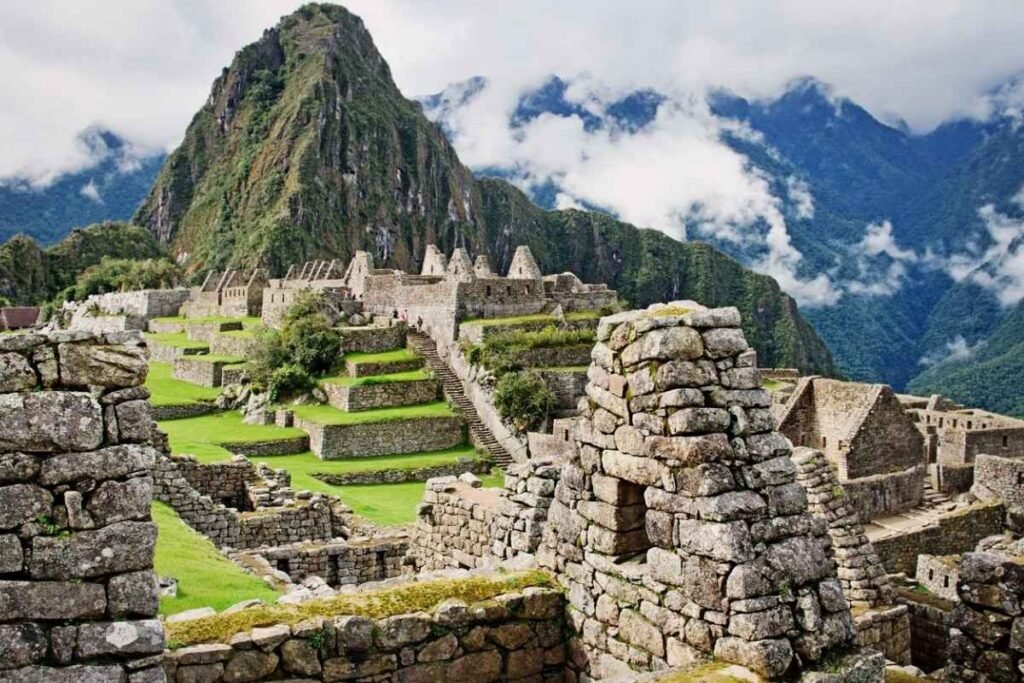
Located among the spectacular mountains of the Peruvian Andes, Machu Picchu is one of South America’s most remarkable archaeological destinations. Its ancient stone structures, agricultural terraces, and dramatic natural surroundings offer visitors an unforgettable experience.
This practical guide explains how to organize your visit to Machu Picchu, from booking transportation and selecting an entrance route to choosing where to stay and preparing for your day at the archaeological site.
Where Is Machu Picchu Located?
Machu Picchu is located in the Cusco region of southern Peru, approximately 80 kilometers northwest of Cusco in a straight line.
The archaeological site stands at approximately 2,430 meters (7,970 feet) above sea level, surrounded by steep mountains and tropical cloud forests.
The closest town is Machupicchu Pueblo, commonly known as Aguas Calientes. This small mountain town serves as the main gateway to the archaeological site and is where most visitors arrive before taking a shuttle bus to the entrance.
Although Machu Picchu is lower in elevation than Cusco, travelers should still consider altitude when planning their trip, especially if they are arriving directly from sea level.
How to Get to Machu Picchu from Cusco
For most travelers, the easiest way to visit Machu Picchu is to travel from Cusco to the Sacred Valley, take a train to Machupicchu Pueblo, and then continue by shuttle bus to the archaeological site.
The entire journey involves several stages, so it is important to coordinate transportation with your ticket’s scheduled entry time.
Step 1: Arrive in Cusco
Cusco is the main starting point for Machu Picchu excursions. The city has an airport, hotels, restaurants, tour agencies, and transportation connections throughout the region.
Many visitors spend two or three days exploring Cusco and the Sacred Valley before traveling to Machu Picchu. This also provides an opportunity to adjust gradually to the elevation.
Step 2: Travel to Ollantaytambo or Your Train Departure Station
Ollantaytambo is one of the most popular departure points for trains to Machupicchu Pueblo.
Located in the Sacred Valley, this historic town is accessible from Cusco by road. Depending on traffic and transportation arrangements, the journey generally takes around one and a half to two hours.
Some train services may operate from other designated stations or include combined bus-and-train transfers. Always check the departure location listed on your reservation.
Step 3: Take the Train to Machupicchu Pueblo
Rail companies such as PeruRail and Inca Rail offer transportation to Machupicchu Pueblo.
The journey from Ollantaytambo typically takes approximately one and a half hours and follows the scenic Urubamba River through the Andes.
Depending on the train category, travelers may choose between standard scenic services and more luxurious experiences with panoramic windows and additional onboard amenities.
Train availability, departure stations, schedules, and prices vary throughout the year, so advance reservations are recommended.
Step 4: Take the Shuttle Bus to Machu Picchu
After arriving in Machupicchu Pueblo, visitors typically take a shuttle bus to the entrance of Machu Picchu.
The journey usually takes approximately 25 to 30 minutes along a winding mountain road.
During busy periods, waiting times for buses can increase. Allow enough time to arrive at the archaeological site before your scheduled entrance time.
Travelers may also walk uphill from the town, although this involves a steep climb and requires additional time and physical effort.
How to Buy Machu Picchu Entrance Tickets
Entrance tickets are one of the most important parts of planning a visit to Machu Picchu.
Admission is managed through a system of designated visitor circuits, routes, dates, and entry times. Tickets are subject to official capacity limits, and popular options may become unavailable well before the date of travel.
The Peruvian Ministry of Culture operates the official online ticketing platform at Tu Boleto.
To purchase your entrance tickets:
- Click Here to access Viator Machu Picchu Official Tickets
- Create an account or sign in.
- Select Machu Picchu as your destination.
- Choose your preferred visitor circuit and route.
- Select an available date and entrance time.
- Enter the required visitor identification details.
- Complete the reservation and payment process.
- Save your ticket and confirmation for your visit.
Make sure the identification details on your ticket match the passport or official identification document you will present at the entrance.
For popular travel periods, booking well in advance is advisable, particularly when you want a specific route or entrance time.
Book Your Machu Picchu Official Entrance Tickets
Understanding the Machu Picchu Visitor Circuits
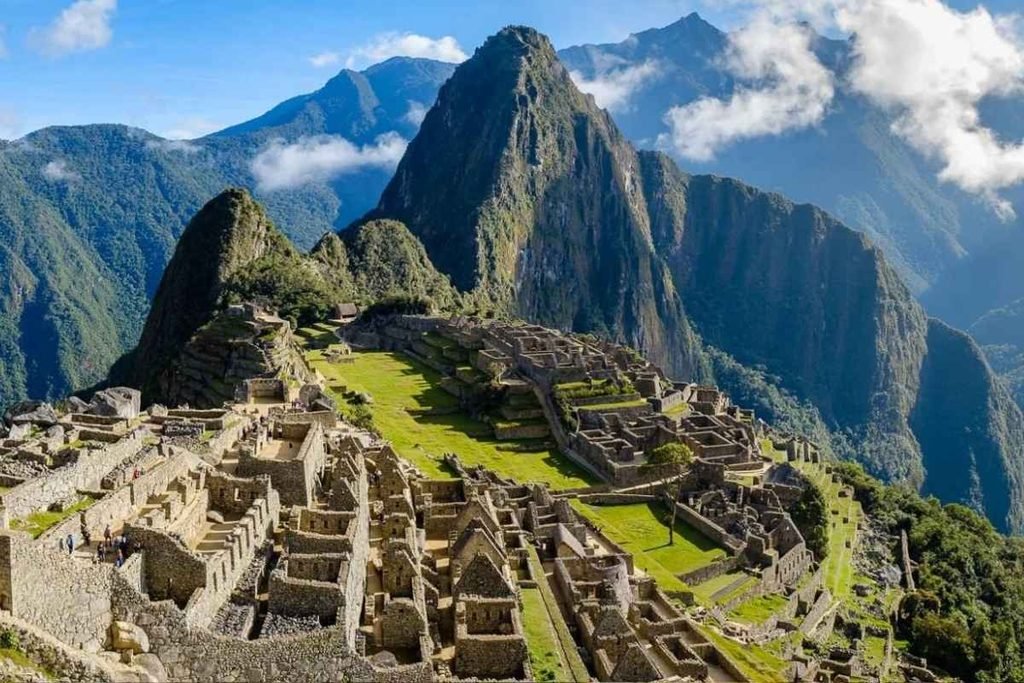
Machu Picchu uses three main visitor circuits that are divided into designated routes. Each route provides access to different viewpoints, archaeological sectors, and hiking experiences.
Choosing the right circuit is essential because not every entrance ticket allows visitors to see the same areas.
Circuit 1 – Panoramic Circuit
Circuit 1 emphasizes elevated viewpoints and spectacular panoramas of the archaeological complex and surrounding mountains.
This circuit can be an excellent choice for travelers whose priority is photography and enjoying famous views of Machu Picchu from above.
Its designated routes include:
- Route 1-A: Machu Picchu Mountain
- Route 1-B: Upper Terrace
- Route 1-C: Intipunku, or Sun Gate, available during the designated high season
- Route 1-D: Inca Bridge, available during the designated high season
The exact experience depends on the selected route. Certain options involve additional hiking and do not include a comprehensive walk through the main archaeological sectors.
Circuit 2 – Classic Machu Picchu Circuit
Circuit 2 is particularly popular among first-time visitors because it offers a traditional experience of the archaeological citadel.
It provides access to designated sections of Machu Picchu where travelers can observe stone architecture, terraces, and historical structures.
Its routes include:
- Route 2-A: Designed Route
- Route 2-B: Lower Terrace
If your main goal is exploring the archaeological complex rather than undertaking an additional mountain hike, Circuit 2 is often a strong option to consider.
Circuit 3 – Royalty Circuit
Circuit 3 focuses on designated sectors associated with important Inca structures and can include additional mountain routes.
Its options include:
- Route 3-A: Huayna Picchu Mountain
- Route 3-B: Designed Route
- Route 3-C: Great Cavern, available during the designated high season
- Route 3-D: Huchuy Picchu Mountain, available during the designated high season
Some routes are more physically demanding and may require additional hiking time.
Important: Always review the official route map and ticket conditions before booking. Entrance permissions, seasonal availability, and operational restrictions can change.
Which Machu Picchu Circuit Should You Choose?
The best circuit depends on your interests, fitness level, and expectations.
- For panoramic photography: Consider Circuit 1, especially routes that provide access to elevated viewpoints.
- For a traditional first visit: Consider Circuit 2, which focuses on the classic archaeological experience.
- For Huayna Picchu hiking: Look for the appropriate Circuit 3 mountain route.
- For travelers with limited mobility: Review the specific route requirements carefully, as Machu Picchu contains steep staircases, uneven surfaces, and significant changes in elevation.
If you are visiting Machu Picchu for the first time and want a balanced archaeological experience, Circuit 2 is often worth prioritizing when available.
Best Time to Visit Machu Picchu
Machu Picchu can generally be visited throughout the year, but seasonal weather patterns can influence visibility, hiking conditions, and the overall experience.
Dry Season: May to September
The dry season typically offers a greater chance of clear skies and favorable sightseeing conditions.
These months are particularly popular among travelers interested in photography, hiking, and outdoor activities.
However, increased visitor demand means that entrance tickets, trains, and accommodations should be reserved well in advance.
Rainy Season: November to March
During the rainy season, the mountains surrounding Machu Picchu become especially green, and mist frequently moves across the archaeological site.
Rainfall can make walking paths slippery, and clouds may temporarily obscure panoramic views.
Despite these conditions, the rainy season can provide beautiful scenery and a different perspective on the Andean landscape.
Shoulder Seasons: April and October
April and October can offer a balance between seasonal weather conditions and visitor demand.
However, Machu Picchu is located in a mountainous environment where weather can change rapidly, so clear conditions are never guaranteed.
Can You Visit Machu Picchu Without a Tour?
Yes. Travelers can organize their own transportation, purchase official entrance tickets, and visit Machu Picchu without purchasing a complete tour package, subject to the site’s current visitor regulations.
Independent planning requires coordinating several reservations, including train tickets, shuttle transportation, entrance times, and accommodations if necessary.
A guided tour can simplify these arrangements and provide valuable historical information during your visit.
Benefits of Booking a Guided Tour
A knowledgeable local guide can help visitors understand the architecture, history, and cultural significance of Machu Picchu.
Guided experiences may include:
- Small-group archaeological visits
- Private guided tours
- Full-day excursions from Cusco
- Train transportation and entrance ticket packages
- Multi-day itineraries combining Cusco and the Sacred Valley
Before booking, always verify which services are included, particularly the entrance ticket circuit, transportation, guiding language, and cancellation conditions.
Book Your Machu Picchu Official Entrance Tickets
How Much Time Do You Need at Machu Picchu?
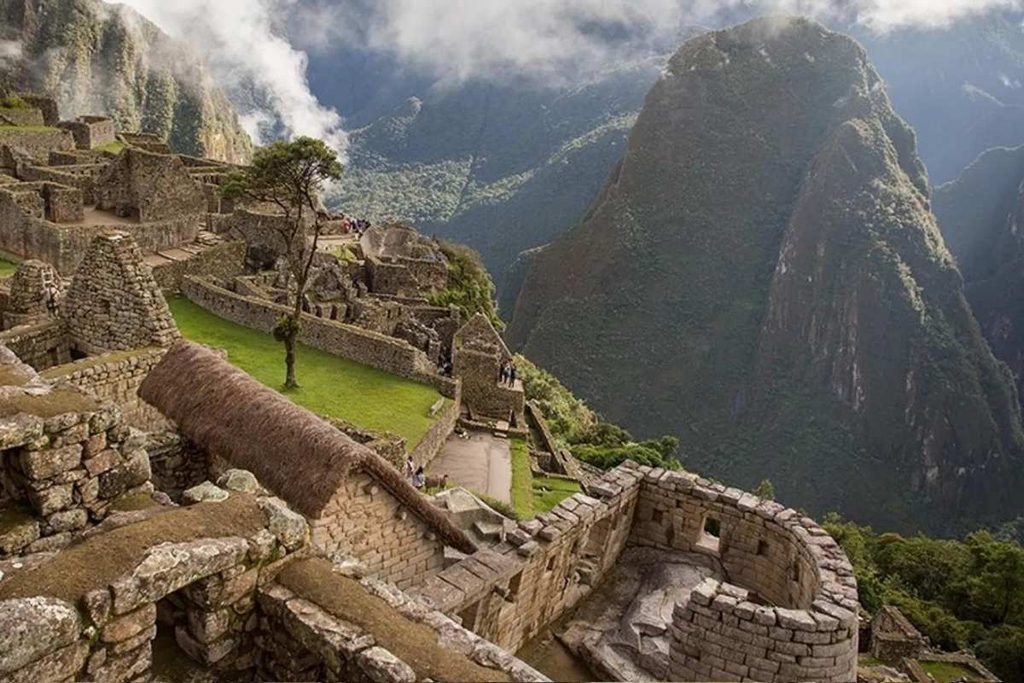
The time required depends on your selected circuit and whether your itinerary includes an additional mountain hike.
Many standard visits take approximately two to three hours, although permitted durations vary by route and current visitor regulations.
Travelers visiting from Cusco in a single day should also account for the journey to the train station, the train ride, shuttle bus transfers, and potential waiting times.
If you prefer a more relaxed experience, consider staying overnight in Machupicchu Pueblo.
Where to Stay When Visiting Machu Picchu
There are three popular bases for visiting Machu Picchu, each offering a different travel experience.
Machupicchu Pueblo (Aguas Calientes)
Machupicchu Pueblo is the closest town to the archaeological site.
Staying here is convenient for visitors with early entrance tickets or those who want to avoid traveling from Cusco and back on the same day.
The town offers hotels, restaurants, shops, and easy access to the shuttle buses.
Ollantaytambo
Ollantaytambo is a historic town in the Sacred Valley and one of the main departure points for trains to Machu Picchu.
Its impressive archaeological complex, traditional streets, and scenic surroundings make it an excellent place to spend a night before continuing your journey.
Cusco
Cusco is the region’s main tourism hub and offers the widest variety of accommodations, restaurants, cultural attractions, and travel services.
It is an ideal base for travelers who plan to explore Machu Picchu alongside other destinations in southern Peru.
What to Pack for Machu Picchu
Packing appropriately is important because conditions can change quickly throughout the day.
Recommended essentials include:
- Valid passport or identification matching your entrance ticket
- Entrance ticket and booking confirmation
- Comfortable walking shoes
- Lightweight rain protection
- Sunscreen and sunglasses
- Hat for sun protection
- Refillable water bottle
- Comfortable clothing suitable for changing temperatures
- Small daypack
- Personal medications
- Camera or smartphone for permitted photography
Before visiting, check official restrictions regarding food, large bags, tripods, walking equipment, and other prohibited items.
Visiting Machu Picchu via the Inca Trail
For travelers seeking a more adventurous experience, hiking the Inca Trail is an alternative to arriving entirely by train and shuttle bus.
The traditional trekking route follows ancient Inca pathways through the Andes, passing archaeological complexes, mountain passes, and cloud forests.
The classic itinerary generally takes four days, while shorter options are available for travelers with limited time.
The Inca Trail requires advance reservations through authorized operators, and access is subject to official permit limits.
Read our Inca Trail to Machu Picchu guide to learn more about routes, permits, trekking difficulty, and preparation.
Explore Cusco and the Sacred Valley
A visit to Machu Picchu is also an opportunity to discover other fascinating destinations in the Cusco region.
The Sacred Valley is home to picturesque Andean villages, historical sites, agricultural terraces, and mountain scenery.
Popular nearby attractions include:
- Cusco: The historic capital of the Inca Empire, famous for its archaeological sites, colonial architecture, and cultural heritage.
- Ollantaytambo: An impressive Inca archaeological complex surrounded by dramatic mountains.
- Pisac: Known for its archaeological terraces, traditional markets, and scenic landscapes.
- Maras Salt Mines: Traditional salt ponds that have been used for generations.
- Moray: Remarkable circular terraces associated with Inca agricultural practices.
- Chinchero: A traditional Andean community known for its weaving heritage and historical attractions.
Spending additional days in the region allows travelers to appreciate the cultural and natural surroundings that make Machu Picchu such an extraordinary destination.
Practical Tips for Visiting Machu Picchu
A successful visit requires more than simply purchasing an entrance ticket.
Here are some useful recommendations:
- Book early. Popular entrance circuits and dates may sell out well in advance.
- Choose the right circuit. Different routes provide access to different viewpoints and archaeological sectors.
- Coordinate transportation. Make sure your train and shuttle arrangements allow enough time to reach the entrance.
- Prepare for altitude. Consider spending time in Cusco or the Sacred Valley before strenuous activities.
- Check the weather. Bring suitable clothing and rain protection.
- Follow site regulations. Stay on designated paths and respect conservation rules.
- Consider a knowledgeable guide. Historical interpretation can enrich your experience.
- Allow extra time. Transportation delays and weather conditions may occasionally affect travel schedules.
Frequently Asked Questions About Visiting Machu Picchu
Can You Visit Machu Picchu Without Hiking?
Yes. Most travelers reach Machupicchu Pueblo by train and then take a shuttle bus to the archaeological site. Hiking the Inca Trail is optional.
Do You Need to Book Machu Picchu Tickets in Advance?
Advance booking is strongly recommended. Visitor capacity is limited, and availability depends on the selected date, entrance time, circuit, and route.
Is Machu Picchu Open All Year?
Machu Picchu is normally open throughout the year, including during the rainy season. However, temporary restrictions may occur because of severe weather, conservation requirements, or other operational circumstances.
What Is the Best Machu Picchu Circuit for First-Time Visitors?
Circuit 2 is often a popular choice for first-time visitors seeking a traditional archaeological experience. However, the best option depends on your interests, preferred viewpoints, and physical abilities.
Can You Visit Machu Picchu in One Day from Cusco?
Yes. One-day visits from Cusco are possible, although they require careful coordination of train schedules, transfers, and entrance times.
Spending a night in Machupicchu Pueblo provides a more relaxed alternative.
How High Is Machu Picchu?
Machu Picchu is located approximately 2,430 meters (7,970 feet) above sea level, which is lower than Cusco.
Is It Worth Booking a Guided Tour?
A guided visit can provide historical and cultural context about Machu Picchu’s architecture, archaeological structures, and significance within the Inca civilization.
How Far in Advance Should You Plan Your Visit?
For popular travel periods, planning several months ahead is advisable, especially if you want a particular entrance circuit, mountain hike, or train departure.
Plan Your Visit to Machu Picchu
Understanding how to visit Machu Picchu is the first step toward experiencing one of South America’s most extraordinary archaeological destinations.
From selecting the right entrance circuit to arranging transportation through the Sacred Valley, thoughtful planning allows you to spend more time enjoying the ancient citadel and its spectacular Andean surroundings.
Whether you prefer an independently organized visit, a guided excursion from Cusco, or an adventurous journey along the Inca Trail, Machu Picchu offers an unforgettable combination of history, culture, and natural beauty.
Explore available travel experiences, review official entrance requirements, and prepare for a memorable journey through the heart of the Peruvian Andes.
Disclaimer: MachuPichu.com is an independent travel information website and is not affiliated with the Peruvian government or the official administration of Machu Picchu. Entrance regulations, visitor circuits, operating schedules, and availability may change.