The Inca Trail to Machu Picchu is one of the world’s most celebrated hiking experiences. Following ancient stone pathways through the Peruvian Andes, this historic route combines spectacular mountain scenery, fascinating Inca archaeological sites, and an unforgettable arrival at Machu Picchu.
Whether you are considering the classic four-day trek or a shorter hiking experience, this guide covers the essential information you need to plan your Inca Trail adventure, including routes, permits, difficulty, weather, and practical travel tips.
What Is the Inca Trail?
The Inca Trail is part of an extensive network of roads constructed and used by the Inca civilization. Known as the Qhapaq Ñan, this remarkable system connected settlements, agricultural centers, religious sites, and important cities across the Andes.
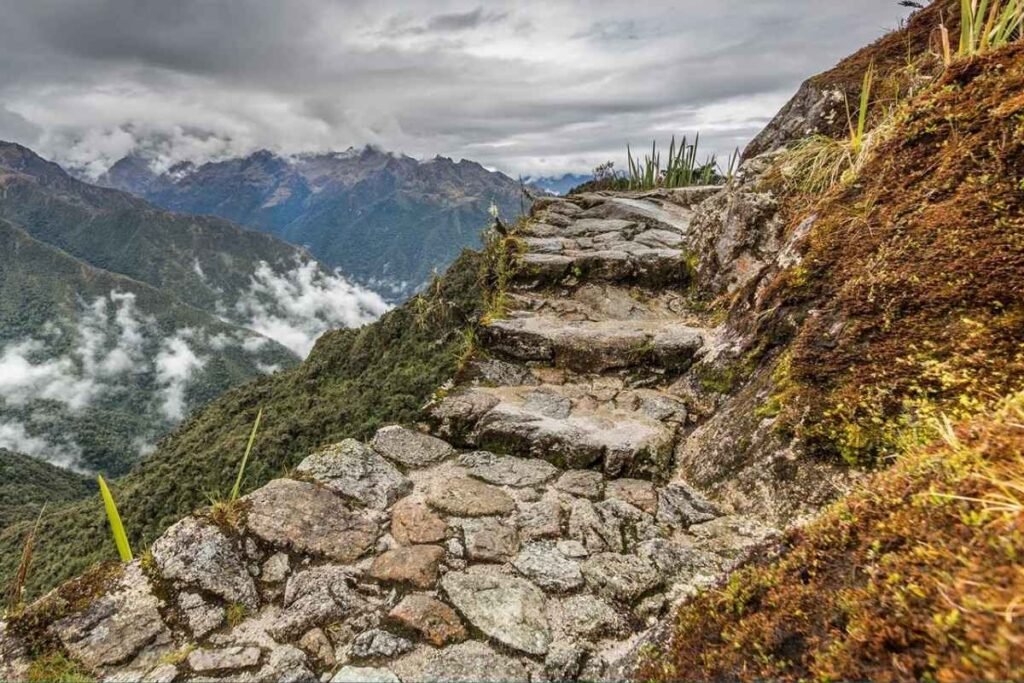
Today, the most famous section leads toward Machu Picchu, passing through cloud forests, mountain passes, original stone stairways, and archaeological complexes that reveal the engineering achievements of the Inca Empire.
Unlike arriving at Machu Picchu by train and bus, hiking the Inca Trail allows travelers to experience the surrounding landscape and historical sites along the way.
Inca Trail Routes: Which One Should You Choose?
There are different ways to experience the Inca Trail, depending on your available time, fitness level, and travel preferences.
Classic Inca Trail – 4 Days
The classic four-day Inca Trail is the best-known trekking route to Machu Picchu. It generally begins near Piscacucho, commonly called Kilometer 82, and follows approximately 40 to 43 kilometers of mountain trails.
Along the journey, hikers encounter archaeological sites, ancient terraces, stone pathways, and high-altitude mountain passes.
The most demanding section involves climbing toward Dead Woman’s Pass, which reaches approximately 4,200 meters (13,780 feet) above sea level.
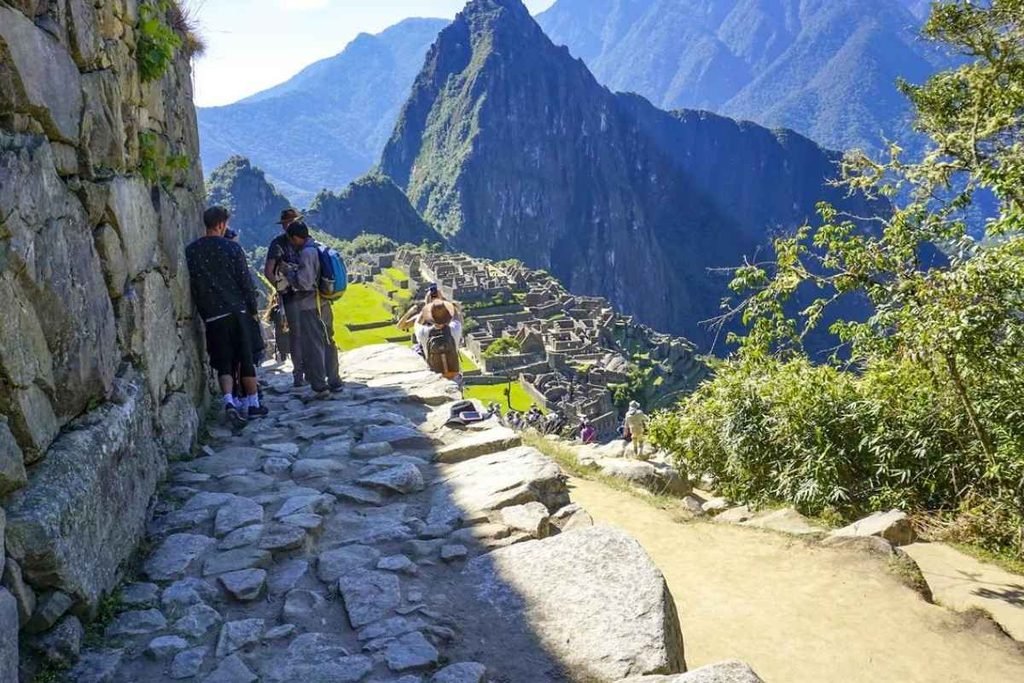
The trek traditionally concludes with an approach to Machu Picchu through Intipunku, the Sun Gate, where hikers may enjoy one of the most memorable views of the ancient citadel.
Short Inca Trail – 2 Days
The short Inca Trail is a popular alternative for travelers who want to experience the historical route without committing to several days of camping.
This itinerary typically begins at Kilometer 104, follows a scenic route past archaeological sites such as Chachabamba and Wiñay Wayna, and approaches Machu Picchu through the Sun Gate.
Most two-day itineraries include one main day of hiking, an overnight stay in Aguas Calientes, and a guided visit to Machu Picchu on the following day.
Although shorter, the route still involves sustained uphill walking and requires appropriate preparation.
Do You Need a Permit for the Inca Trail?
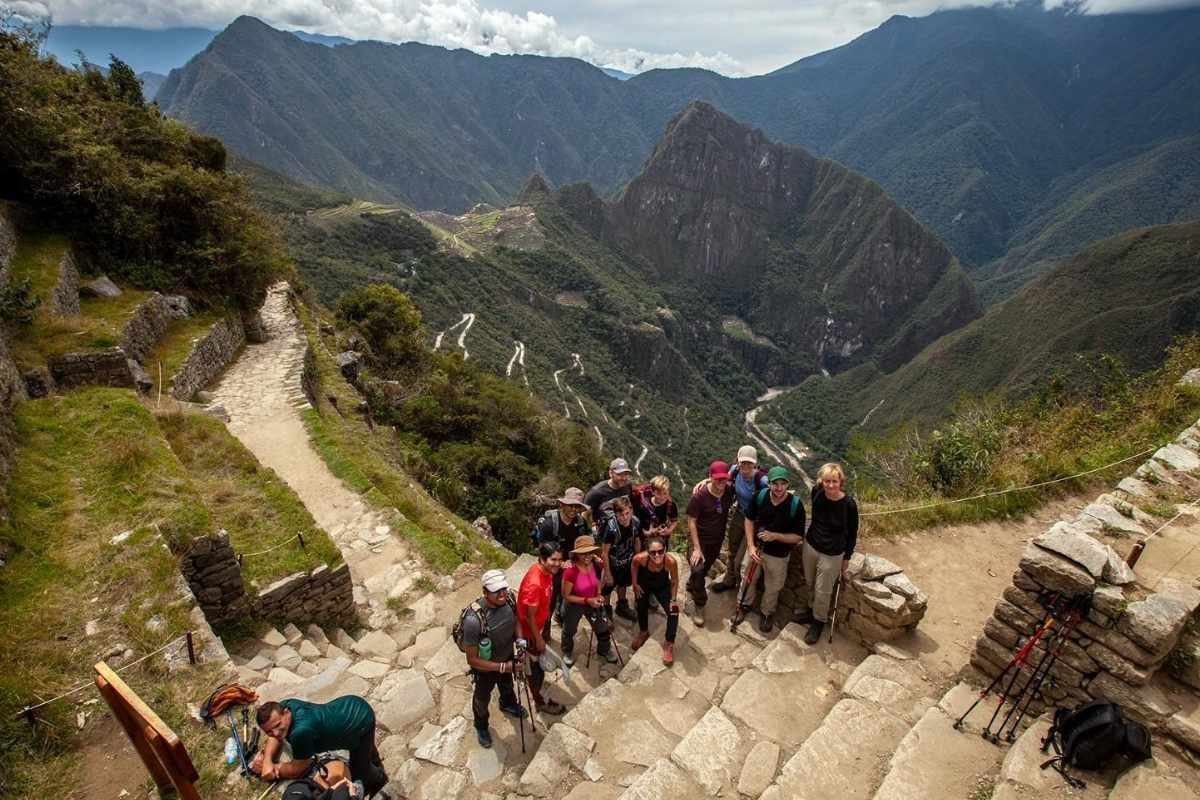
Yes. Access to the regulated Inca Trail routes requires advance authorization. Independent hiking on these routes is not permitted under the normal tourist access system.
Travelers must arrange their trek through an authorized tour operator, and reservations are subject to official availability and visitor limits.
Permits are associated with individual travelers, so it is important to provide accurate identification details when booking.
Popular departure dates can become unavailable well before the travel date. Booking early is particularly important during the dry season and major holiday periods.
Before confirming a reservation, check that your operator includes the appropriate Inca Trail authorization, guides, transportation, camping arrangements where necessary, and the Machu Picchu admission required for your itinerary.
Best Time to Hike the Inca Trail
The Inca Trail passes through mountain environments where weather conditions can change quickly.
Dry Season: May to September
The drier months generally offer more predictable hiking conditions, clearer mountain views, and less frequent heavy rainfall.
However, this is also a popular travel period, so permits, accommodations, and guided treks may require reservations well in advance.
Rainy Season: November to March
The wetter months bring greener landscapes, misty mountain scenery, and more frequent rain.
Trails can become slippery, visibility may be reduced, and hikers should be prepared for changing conditions.
Important: The regulated Inca Trail network normally closes during February for annual conservation and maintenance. The Inca Trail closure does not necessarily mean that Machu Picchu itself is closed.
April and October can offer a balance between seasonal conditions and visitor demand, although the weather remains variable.
How Difficult Is the Inca Trail?
The classic Inca Trail is generally considered a moderately challenging to demanding multi-day hike.
Its difficulty comes from the combination of altitude, long walking days, steep stone staircases, uneven terrain, and significant elevation changes.
Travelers do not need to be professional athletes, but a reasonable level of physical fitness and hiking preparation is strongly recommended.
Before your trek, consider preparing with regular walking, hill climbs, cardiovascular exercise, and hikes carrying a small daypack.
Altitude and Acclimatization
Altitude is one of the most important factors to consider when planning the Inca Trail.
Cusco sits at approximately 3,400 meters above sea level, and parts of the classic trail reach considerably higher elevations.
Many travelers choose to spend two or three days acclimatizing around Cusco or the Sacred Valley before beginning their trek.
Altitude illness can affect travelers regardless of fitness. If you have relevant health conditions or concerns about altitude, consult a qualified healthcare professional before your trip.
What Will You See Along the Inca Trail?
The Inca Trail is much more than a route to Machu Picchu. Several archaeological and natural landmarks make the journey a destination in its own right.
- Llactapata: An archaeological complex featuring agricultural terraces and historical structures near the early stages of the classic trail.
- Dead Woman’s Pass: The highest and one of the most physically demanding points on the classic trek.
- Runkurakay: An archaeological site associated with the historical Inca road network.
- Sayaqmarka: A fascinating archaeological complex surrounded by dramatic mountain scenery.
- Phuyupatamarca: A remarkable Inca site known for its elevated setting and stone architecture.
- Wiñay Wayna: An impressive archaeological complex featuring extensive terraces.
- Intipunku (Sun Gate): The celebrated approach to Machu Picchu on traditional Inca Trail itineraries.
Exactly which sites you visit depends on the authorized route, itinerary, weather, and operational conditions.
What to Pack for the Inca Trail
Packing appropriately makes a significant difference to your comfort and safety during the trek.
- Comfortable, broken-in hiking boots or trail shoes
- Lightweight, moisture-wicking clothing
- Waterproof jacket or rain poncho
- Warm layers for cold mountain conditions
- Sun protection, sunglasses, and a hat
- Refillable water bottle or hydration system
- Personal medications and a basic first-aid kit
- Small daypack
- Headlamp or flashlight
- Valid passport or required identification
- Portable power bank
- Snacks and personal essentials permitted by your operator
For multi-day camping treks, your tour operator should explain what equipment is included and what you need to bring yourself.
How to Choose an Inca Trail Tour Operator
Choosing the right operator is an important part of planning a safe and enjoyable Inca Trail experience.
Before booking, compare itineraries carefully and confirm the services included in the advertised price.
- Authorization to operate on the regulated Inca Trail
- Experienced guides and clear safety procedures
- Official permits and admission arrangements
- Group size and guiding language
- Transportation arrangements
- Camping equipment and meals, where applicable
- Porter arrangements and responsible working practices
- Cancellation and refund policies
- Emergency procedures and altitude-related precautions
A well-organized guided trek can make the journey more comfortable while helping travelers understand the cultural significance of the archaeological sites along the route.
Inca Trail vs. Salkantay Trek
Travelers researching hikes to Machu Picchu often compare the classic Inca Trail with the Salkantay Trek.
The Inca Trail is particularly appealing to visitors interested in Inca history, archaeological sites, and following the traditional stone pathways toward Machu Picchu.
The Salkantay Trek is generally more focused on dramatic high-altitude mountain scenery, including views of snow-covered peaks and varied Andean landscapes.
The two treks have different routes, regulations, physical demands, and arrival experiences.
If walking through historical Inca archaeological sites and approaching Machu Picchu by the traditional trail is your main priority, the classic Inca Trail is likely the better fit.
Frequently Asked Questions About the Inca Trail
Can you hike the Inca Trail without a guide?
No. Tourist access to the regulated Inca Trail requires an authorized operator and the appropriate reservations.
How many days does the Inca Trail take?
The traditional itinerary takes four days, while shorter options typically last two days. Some operators offer longer itineraries or combined trekking experiences.
Is the Inca Trail suitable for beginners?
Some beginners with good fitness and appropriate preparation can complete the classic trek. However, altitude, steep sections, and consecutive hiking days should not be underestimated.
Is the Inca Trail open all year?
No. The regulated trail network normally closes during February for conservation and maintenance. Additional restrictions can occur because of weather, safety, or official decisions.
Do Inca Trail tours include Machu Picchu tickets?
Many guided packages include the relevant admission arrangements, but inclusions vary. Always confirm the specific Machu Picchu circuit and entry conditions before paying.
How far in advance should I book?
Booking several months ahead is advisable for popular periods, particularly for the classic route during the dry season. Actual availability depends on official permits and tour operator allocations.
Plan Your Inca Trail Adventure
Hiking the Inca Trail to Machu Picchu is an extraordinary way to discover Peru’s Andean landscapes and Inca heritage.
From ancient pathways and mountain passes to archaeological sites hidden in the cloud forest, every stage of the journey adds to the experience of reaching one of South America’s most famous destinations.
Explore available guided trekking experiences, compare routes, and prepare carefully to make the most of your Inca Trail adventure.
MachuPichu.com is an independent travel information website. Tour availability, permits, itineraries, and booking conditions are determined by authorized operators and the relevant Peruvian authorities.